Dental unit waterline testing and maintenance - an Ontario IPAC guide
Dental unit waterlines are one of the quietest IPAC failures in an Ontario clinic - invisible biofilm in narrow tubing that can push bacterial counts far above the safe limit. They are also a recurring focus during inspections. Here's the standard, the routine that keeps you under the limit, and the paperwork an inspector will ask for.
Why waterlines are a real risk
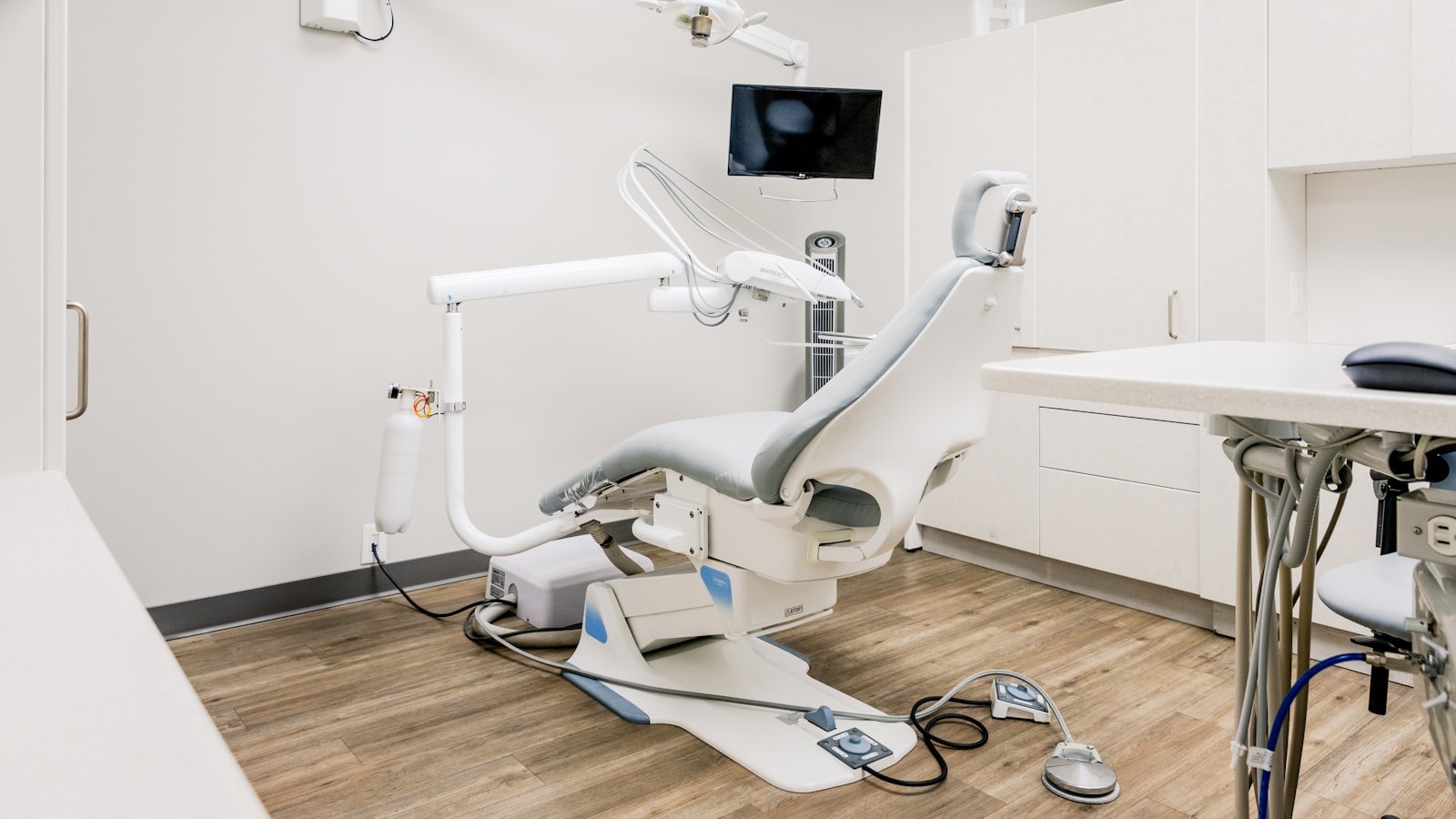
Dental unit waterlines are long, narrow, and have low flow - ideal conditions for biofilm to form on the tubing walls. Standard municipal water feeding an untreated dental unit commonly tests at 10,000 to 100,000 CFU/mL, which is many times the safe limit. Left untreated, that water reaches patients through handpieces, air-water syringes, and ultrasonic scalers. For the clinical background, the CDC's guidance on dental unit water quality is the reference most IPAC programs cite.
The Ontario standard: 500 CFU/mL
The RCDSO Infection Prevention and Control standard requires water at dental unit outlets to be maintained at or below 500 CFU/mL. The standard was most recently updated in 2022, with supplemental waterline guidance published in 2024. Public Health Ontario's IPAC checklists for dental practices reference the same expectations - so the regulator and the public health inspector are looking for the same thing. Review the Public Health Ontario IPAC checklist for dental reprocessing alongside your own protocol.
- Target: 500 CFU/mL or less at every dental unit outlet
- Applies to handpieces, air-water syringes, and ultrasonic scalers
- Aligned across RCDSO and Public Health Ontario expectations
- Self-contained water systems, point-of-use filters, or chemical treatment to meet it
The daily and weekly maintenance routine
Meeting the limit is about routine, not heroics. Purge each waterline for about two minutes at the start and end of the day, run handpieces for at least 20 seconds between patients to flush the lines, and follow the manufacturer's schedule for shock treatment and tablets or straws in self-contained reservoirs. The exact products vary by unit, but the cadence should be written into your clinic's protocol so any team member can run it the same way.
- Purge waterlines ~2 minutes at the start and end of each day
- Flush handpieces 20+ seconds between patients
- Maintain the treatment product (tablets, straws, or shock) per manufacturer schedule
- Use distilled or appropriate water in self-contained reservoirs - never untreated tap water
Testing frequency and failed tests
Test water quality regularly - many Ontario clinics test monthly until results are consistently stable, then follow their treatment system's validated interval. If a test comes back above 500 CFU/mL, treat it like any other IPAC deviation: take the unit out of service for clinical water use, shock the lines, retest, and document the corrective action. A failed test that you caught and fixed is a sign your program works; a failed test with no record is a finding.
Documentation inspectors expect
Waterline management lives or dies on records. Inspectors want to see your written waterline protocol, maintenance logs, test results, and any corrective actions - the same expectation that applies across your whole IPAC program. If you're tightening this up, it usually belongs inside a broader review. Prime DMS handles waterline protocols as part of IPAC compliance audits and writes them into your clinic-specific IPAC manual, so the protocol, the logs, and the daily reality all match. For the bigger picture, see our guides on what inspectors look for and preparing for a public health inspection.
Frequently asked questions
- What is the dental unit waterline limit in Ontario?
- The RCDSO IPAC standard requires water at dental unit outlets to be maintained at or below 500 CFU/mL. Untreated municipal water in a dental unit commonly tests far above this, so a treatment system is required.
- How often should dental unit waterlines be tested?
- Test regularly - many Ontario clinics test monthly until results are consistently stable, then follow their treatment system's validated interval. Keep all test results on file for inspection.
- What should I do if a waterline test fails?
- Remove the unit from clinical water use, shock-treat the lines, retest until results are at or below 500 CFU/mL, and document the corrective action. A documented fix demonstrates a working IPAC program.
- Can I just use municipal tap water in my dental unit?
- No. Standard tap water in dental unit waterlines typically tests at 10,000 to 100,000 CFU/mL. Meeting the 500 CFU/mL limit requires a self-contained reservoir, point-of-use filtration, or chemical treatment, plus a daily maintenance routine.
More from Prime DMS Insights
All articles- Compliance
AODA compliance for Ontario dental clinics - what's actually required
AODA applies to every dental clinic with at least one employee. The training you must provide, what larger clinics must document, and how to stay compliant.
Read article - IPAC
Biological monitoring and spore testing for dental sterilizers in Ontario
How often to run biological (spore) tests, the three types of sterilizer monitoring, and exactly what to do when a spore test fails.
Read article - IPAC
How to become a designated IPAC officer for an Ontario dental clinic
Who qualifies as a designated IPAC officer, the training required, and the year-round responsibilities of the role in an Ontario dental clinic.
Read article
Want help applying this to your clinic?
Book a free consultation. We'll walk through your IPAC, training, or staffing needs and recommend next steps.